
|
Hopefully you’ve done step 1 and are now ready to plan your text. You’ve probably already got the bones of your story written out, so it’s time to figure out if you’ve got enough content, too little content, and how it’s all going to fit together in an awesome book. Things that need to be decided are:
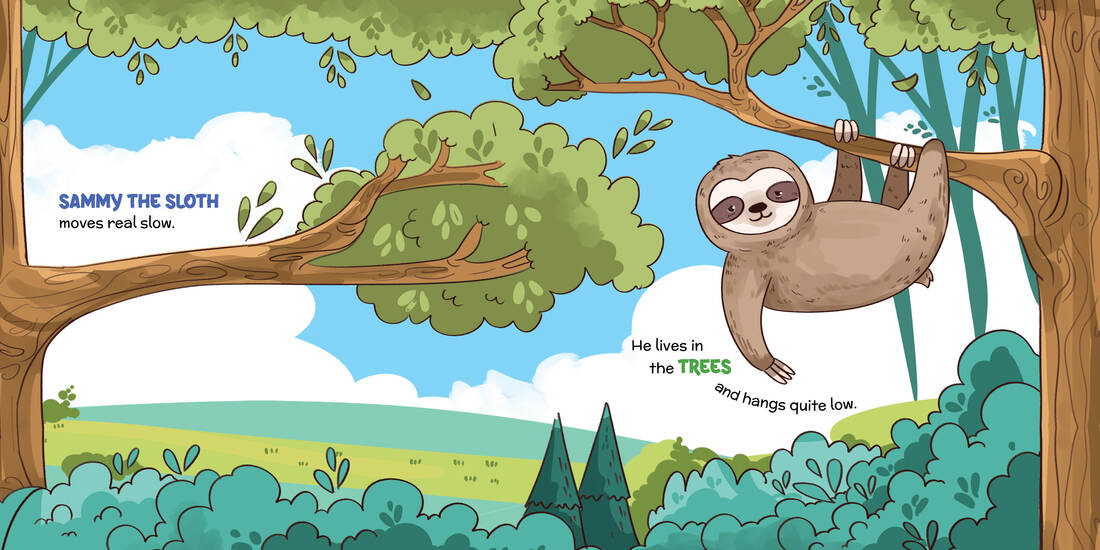
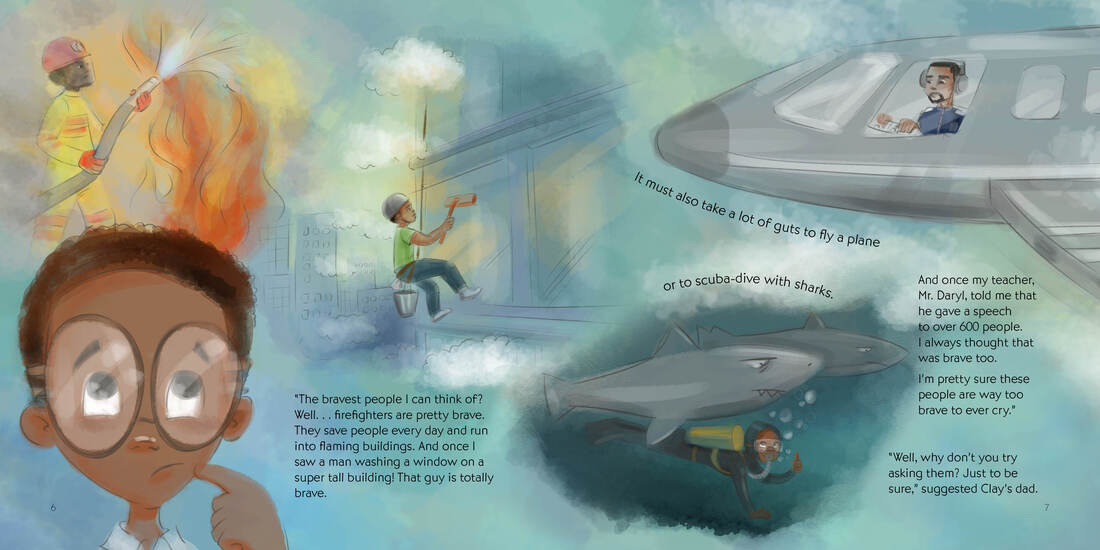
Word count Consider 1,000 words to be your ceiling and aim lower. The exact amount of words really depends on your writing style and the story. I’ve worked on children’s books with as little as 280 words, and as much as 998 – and both of these extremes are amazing books. If you’ve already chosen your winning samples in step 1, you can use this to guide you.
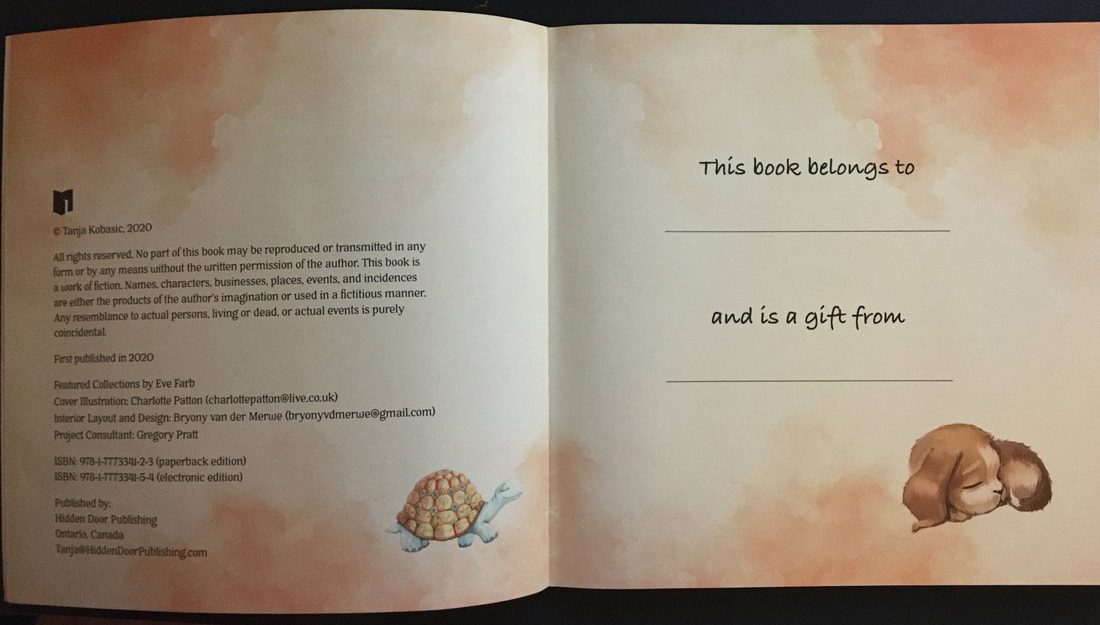
The two books above are the same size, have the same page length, but – as you can see – a very different target audience and word count. The illustration style also makes a difference to the amount of words that one page can allow. Page count The most common page count for picture books seems to be 24 pages (excluding cover). Most print-on-demand companies will require that the last page is left blank. This leaves you with 20 pages to fill (if you are going with 24 pages). Books are generally set up like this:
Page planning This is the last step in getting your text ready for the editor. This is crucial yet highly fun part of the book creation procedure. It’s where you plan the overview of your book. Below is the rough page plan of The Accidental Hero. As you’ll see, you don’t have to be an artist to produce page plans. Any funny squiggles will do, as long as they make sense to you. Repetitive layout (see spreads 8-9, 12-13 and 20-21) are an awesome feature to include. 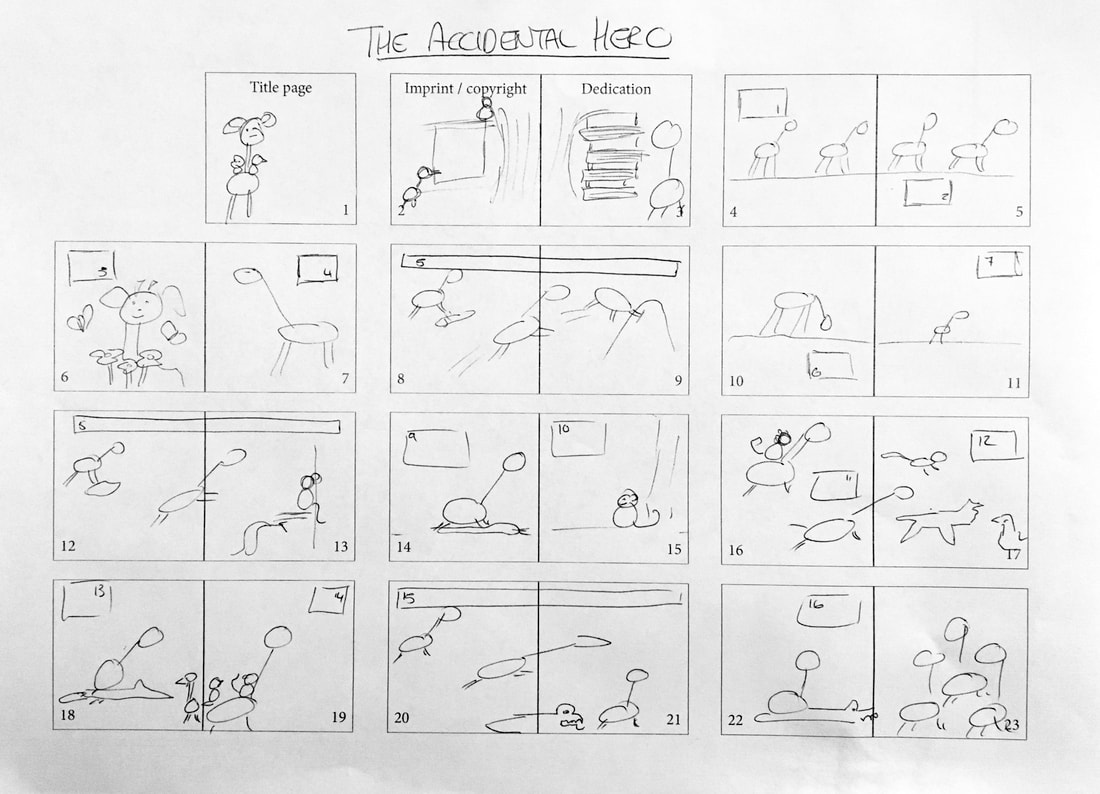 With The Accidental Hero, I’ve made allocation for 16 text boxes, each with roughly four lines. This makes it easy for me to finalise the text. If I have 17 stanzas, then I’ll need to go back to the page plans and see where I can include the last one. Or I need to get rid of one.
Start creating your own page plans for your book by downloading a blank page plan template here. |
bryonyI have been in the publishing industry for 20 years and have worked for several publishing houses and international organisations. Several of my children's books have won awards. ArchivesCategories
All
|
 RSS Feed
All Rights Reserved © Heartstone House Ltd